

 GENEVA, Switzerland, (PAHO) – The Pan American Health Organization (PAHO) has launched a new guide providing practical advice on how to create Artificial Intelligence (AI) prompts that generate reliable, relevant, and culturally appropriate content across diverse contexts.
The publication aims to promote the responsible use of AI to improve communication and decision-making in public health.
With the advent of generative AI, technology has advanced from analysing information to creating content. Public health institutions are increasingly using AI to draft alerts, translate reports into plain language, develop educational materials, and simulate responses. Tasks that previously required multiple rounds of review can now be completed more efficiently, provided the AI is guided by clear, specific, and purpose-driven instructions.
“Generative artificial intelligence has become a powerful tool for public health, but its effectiveness depends on how it is instructed,” said Marcelo D’Agostino, head of the information systems and digital health unit at PAHO. “Good prompt design is key to unlocking its full potential,” he added.
The publication, AI prompt design for public health, underscores that the value of generative AI depends on professionals’ ability to guide it effectively to produce accurate and meaningful content.
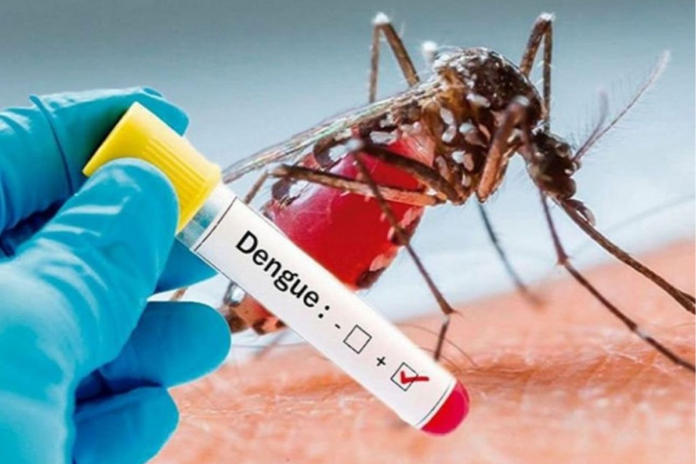
In its simplest form, a prompt refers to the instruction given to an AI system—whether a short question such as “How can dengue be prevented?” or a more detailed request specifying tone, format, and audience, for example: “Write an educational message about vaccination for parents in rural areas, in clear and friendly language.”
For this reason, designing effective prompts can be considered an essential skill for all public health workers—to enhance operational efficiency and to ensure that messages are trustworthy, understandable, and actionable. However, the guide also warns of the risks associated with using generative AI in public health, particularly when content could influence public behaviour, inform local policies, or support emergency response efforts. It emphasises the importance of human oversight to review and approve all AI-generated outputs.
Among its recommendations, PAHO suggests that prompts be treated as “living protocols”—instructions that can be tested, refined, and adapted according to context, language, or audience. It also encourages institutions to develop prompt libraries to promote consistency and efficiency in AI use across public health operations.
This publication is part of PAHO’s Digital Literacy Program, which aims to strengthen the digital competencies of public health professionals throughout the Americas. It also supports the digital transformation of health systems, enabling faster, more accurate, and higher-impact decision-making to improve people’s health.
About the Author