



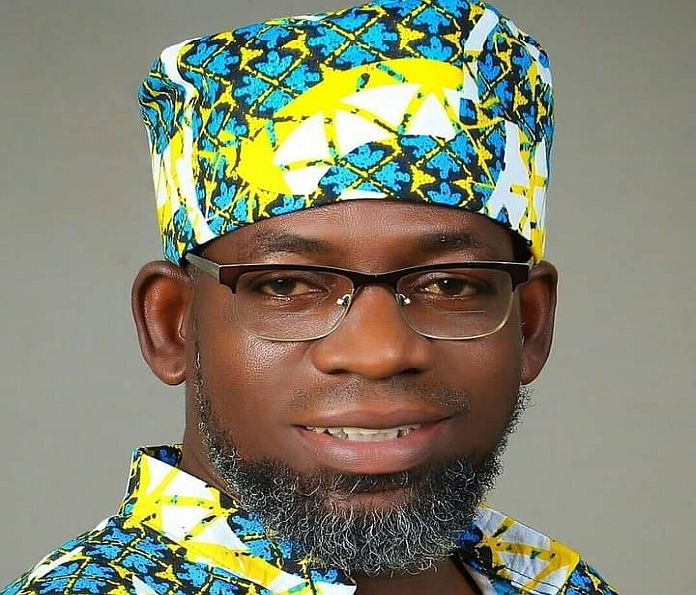
By Garfield L. Angus
The strengthening of Caribbean democracy relies heavily on two independent pillars: robust, credible civil society organisations (CSOs), and unbiased, free media. While regular elections provide the baseline for democratic governance, true democracy requires continuous public oversight, civic participation, and accountability between election cycles.
In many Caribbean nations, political polarisation, limited institutional resources, and entrenched patronage networks can weaken formal checks and balances. To counter these vulnerabilities, the region must cultivate a more vibrant civil society and protect journalistic independence to ensure governments remain transparent, responsive, and accountable to their citizens.
A common misconception is that civil society exists solely to protest or criticise government actions. In mature democracies, CSOs are vital partners in the development, refinement, and delivery of public policy. By bridging the gap between state institutions and the public, these organisations bring specialised expertise and grassroots insights that governments often lack.
Civil society in policy delivery-UK and the US
American civil society groups actively shape and execute public policy across all levels of government. Organisations such as the Nature Conservancy manage extensive environmental conservation programs funded through federal grants. Advocacy groups like the American Association of Retired Persons (AARP) directly influence healthcare and social security legislation by representing the interests of millions of citizens.
In the United Kingdom, voluntary organisations and charities are deeply integrated into the delivery of public services. Institutions such as the Citizens Advice Bureau provide essential legal and financial guidance, effectively fulfilling a public welfare function. Meanwhile, think tanks such as the King’s Fund conduct rigorous research that directly influences National Health Service (NHS) policies.
For the Caribbean, adopting a similar collaborative model could significantly enhance governance. Local CSOs can be structured to co-design and deliver policies in critical areas such as climate resilience, public health, education, and youth development. Such partnerships would help ensure that State interventions are practical, community-driven, and efficiently managed.
Beyond policy delivery, strong civil society organisations serve as institutional watchdogs. They help prevent the concentration of power and ensure that public officials adhere to the rule of law.
In both the United States and the United Kingdom, civil society organisations frequently use the courts to challenge executive overreach. In the United States, the American Civil Liberties Union (ACLU) routinely files lawsuits against government policies that it believes violate constitutional rights. In the United Kingdom, organisations such as the Public Law Project use judicial reviews to challenge unlawful government decisions.
Transparency monitoring and unbiased media
Independent watchdog groups also monitor public spending and official conduct. Organisations such as Citizens for Responsibility and Ethics in Washington (CREW) track political corruption and campaign finance violations. Similarly, Transparency International UK monitors procurement processes and advocates for measures to prevent the misuse of public funds.
In the Caribbean, where anti-corruption laws often suffer from weak enforcement mechanisms, credible CSOs are urgently needed to demand greater transparency. By monitoring public contracts, tracking legislative votes, and scrutinising government expenditures, civil society can help reduce corruption and strengthen public confidence in democratic institutions.
Civil society cannot function effectively without a free, investigative, and unbiased media. A neutral press serves as the amplifier for civil society research and the primary source of objective information for the electorate. When media organisations become partisan mouthpieces or engage in self-censorship due to political or financial pressures, democratic governance is weakened. Citizens become less informed, public debate becomes distorted, and accountability mechanisms begin to erode.
Independent media ensures that citizens base their political decisions on facts rather than propaganda. It provides a fair platform where competing political ideas can be debated openly and objectively. Furthermore, investigative journalism exposes systemic issues that civil society organisations seek to address. Without a free press to uncover wrongdoing, efforts to hold public officials accountable are significantly diminished.
Democracy in the Caribbean must evolve beyond the ballot box. To build resilient societies capable of addressing modern economic, social, and environmental challenges, governments and citizens alike must prioritise the development of strong, independent institutions.
Investing in the financial and operational capacity of credible civil society organisations will enable them to make meaningful contributions to public policy while strengthening accountability mechanisms. At the same time, safeguarding media independence will help ensure an informed and engaged citizenry.
Together, an active civil society and an unbiased press form the strongest defense against authoritarianism, corruption, and democratic decay. Their continued growth and protection are essential to securing a more transparent, accountable, and participatory democratic future for the Caribbean.