



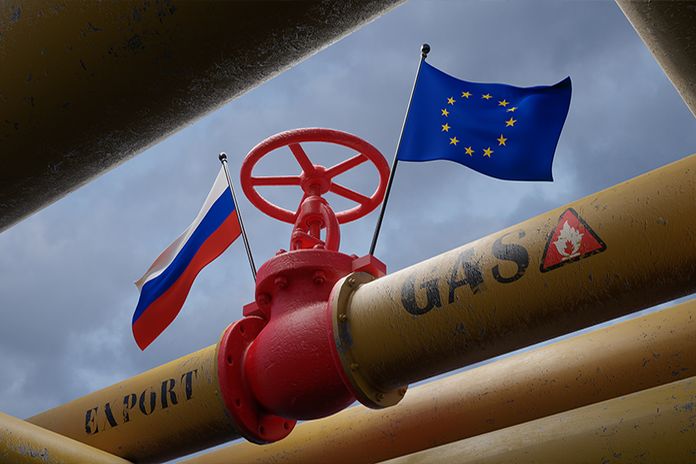
- MEPs approve gradual ban on pipeline and liquefied natural gas imports as of 2026
- Commission to prepare ban on oil imports in 2027
- Harmonised maximum penalties in case of infringements
- The new law adopted on Wednesday will protect the EU’s energy security from weaponisation by the Russian Federation.
BRUSSELS, Belgium – Spot-market Russian liquefied natural gas (LNG) will be banned from the EU once the regulation enters into force in early 2026, while pipeline gas imports will be phased out by 30 September 2027. During negotiations, the co-legislators advanced the phase-out timelines for most import contracts. The new law also establishes penalties to be enforced by member states against operators for infringements.
Preparing for a ban on oil imports
During negotiations with the Danish presidency of the Council, MEPs pushed for the banning all imports of Russian oil and secured a commitment by the European Commission to present legislation for this in early 2026 so an effective ban can enter into force as soon as possible and no later than late-2027.
MEPs also pushed for stricter conditions under which a temporary suspension of the import ban can occur, in emergency situations in relation to EU energy security.
To close loopholes and mitigate the risk that the rules are being circumvented, operators will have to provide customs authorities with stricter and more detailed evidence of the country of production of their gas before its import or storage.
“This is historic: the EU is taking a giant step towards a new era free of Russian gas and oil. Russia can never again use fossil fuel exports as a weapon against Europe. Our key priorities were to accelerate the timeline for banning pipeline gas as much as possible, prohibit long-term LNG contracts one year earlier than foreseen, and prevent circumvention of these new rules. Now, we must act without delay to implement this agreement and turn our attention to oil imports, where we will hold the European Commission to its commitment to make a proposal early in 2026,” lead MEP for the Industry, Research and Energy Committee (ITRE), Ville Niinistö (Greens/EFA, Finland) said.
“Today’s vote sends a clear and powerful message: Europe will never again be dependent on Russian gas. This is a major achievement for the EU and a historic turning point in European energy policy. We have strengthened the European Commission’s initial proposal by introducing a pathway towards a ban on oil and its products, ending long-term contracts sooner than originally proposed, and securing penalties for non-compliance,” said Inese Vaidere (EPP, Latvia), lead MEP for the International Trade Committee.
Next steps
The legislation already agreed with Council, was adopted with 500 votes to 120, with 32 abstentions. It will now have to be formally endorsed by Council before publication in the Official Journal.
Background
This legislative proposal is a response to Russia’s systematic weaponisation of energy supplies, a pattern documented over nearly two decades and escalating with the full-scale invasion of Ukraine in 2022. The 2022 invasion came with further deliberate market manipulation, including Gazprom’s unprecedented underfilling of EU storage facilities and abrupt halts to pipelines, causing energy prices to spike by up to eight times their pre-crisis levels.