

- The visit builds on an MoU signed between Venezuelan petroleum authorities and the African Energy Chamber in February 2026, representing the next step in this collaborative initiative
CAPE TOWN, South Africa – Following the historic visit by the African Energy Chamber (AEC) to Venezuela in February 2026, Venezuela responded by sending its deputy minister of artificial intelligence and productive efficiency on hydrocarbons, Arturo Gil, to South Africa to advance energy ties.
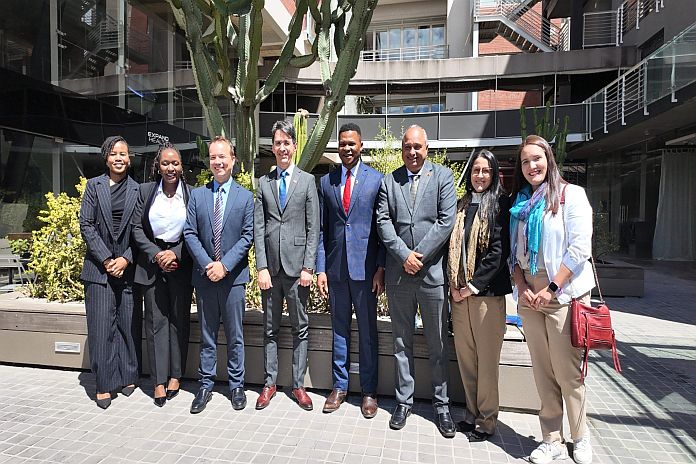
A high-level meeting was held in Cape Town, featuring deputy minister Gil and Carlos Feo Acevedo, the Venezuelan ambassador to South Africa, alongside an AEC team led by executive chairman NJ Ayuk and a team from Energy Capital & Power, led by CEO James Chester. Discussions centered on strengthening investment flows, leveraging Venezuela’s expertise to support Africa’s energy resilience and identifying avenues for collaboration across the energy value chain.
The meeting follows a high-level visit by the AEC to Caracas in late February, which included meetings with Delcy Rodríguez, interim president of Venezuela, as well as the state-owned oil corporation Petróleos de Venezuela SA and the ministries of Hydrocarbon Geopolitics and Gas. The outcome of these meetings was a signed MoU, aimed at strengthening investment and collaboration across the oil, gas and broader energy sectors. The Cape Town discussion represents the next step in this collaboration, underscoring Venezuela’s commitment to establishing resilient ties with African nations.
Workforce development and technical cooperation
A key outcome of the meeting was a commitment to strengthening workforce development across Africa’s energy sector. Under the initiative, the AEC will engage between 10 and 15 African stakeholders to participate in specialised technical training programs at Venezuela’s University of Hydrocarbons, supporting skills development and knowledge transfer between the two regions.
The Venezuelan delegation emphasised the importance of building long-term technical partnerships, noting that structured training programs would allow African professionals to gain hands-on expertise while fostering deeper institutional cooperation between Africa and Venezuela.
“We believe it would be valuable to organise a working visit to South Africa and bring a Venezuelan delegation to explore cooperation and investment opportunities,” stated deputy minister Gil.
Leveraging Venezuelan Oil and Gas expertise
The meeting also examined how Africa can benefit from Venezuela’s more than 100 years of oil and gas production experience. Ayuk highlighted geological similarities between Venezuela and key African producing countries such as Namibia and Angola, suggesting that knowledge exchange on basin geology and data interpretation could accelerate exploration and production across both regions.
“We need to strengthen collaboration between Africa and Venezuela. I hope to see more African stakeholders leveraging your cooperation, particularly in the area of data sharing and trade,” stated Ayuk, who also underscored Venezuela’s unique role as a member of the African Petroleum Producers’ Organization, emphasizing the importance of increased participation in continental initiatives such as the African Energy Bank to address both the continent and the south American nation’s investment challenges.
Unlocking investment and market opportunities
Investment opportunities within Venezuela’s hydrocarbon sector was also a central focus of the meeting. The Venezuelan delegation highlighted the country’s extensive geological database, built over more than a century of exploration and production activity, which provides investors with detailed insights into untapped resources and development opportunities.
With 1,000 wells planned for development and over 20,000 wells already drilled – including many yet to be optimised – the country presents substantial and highly lucrative investment opportunities across its upstream sector.
Gas development and energy access
Venezuela’s vast natural gas resources were also discussed as a potential solution to Africa’s growing energy access challenges. With approximately 600 million people in Africa lacking access to electricity and nearly one billion living without access to clean cooking solutions, Ayuk highlighted the potential role of Venezuela’s flared gas in strengthening the continent’s energy supply while also supporting economic growth for the South American nation.
“Venezuela has significant onshore gas resources that can be further developed, but unlocking this potential will require greater investment to support both national development and the needs of our people,” stated deputy minister Gil. “LPG is not only an energy resource but also a social solution with strong economic and societal value. There is substantial potential for expansion in both our onshore and offshore gas sectors.”
Role of African independents in upstream expansion
During the meeting, the parties emphasised the growing influence of African independent oil companies, noting their success in expanding production across the continent after decades of experience working alongside international majors. Drawing parallels with markets such as Nigeria, he suggested that independent operators could also play a role in supporting Venezuela’s efforts to increase oil output through brownfield redevelopment and mature asset optimisation.
“Outside the US, Africa – especially Nigeria – has one of the largest populations of independent oil producers, with many operators producing from as little as 1,000 barrels per day,” stated Ayuk.
As both regions seek to expand production and address energy access challenges, deeper collaboration between African and Venezuelan stakeholders could unlock new opportunities across the global energy landscape.