
By PYMNTS
Russian and Chinese entities that provide alternatives to the dominant Visa and Mastercard payment networks may reap significant benefits from sanctions the West imposed in response to Russia’s invasion of Ukraine, the Financial Times reported Wednesday, April 20.
Use of Visa and Mastercard was widespread in Russia – the two companies held 70 percent of the debit card market there – when the two-card powerhouses halted some transactions in early March, according to FT. Other card companies and digital wallets that have followed suit include American Express, Japan’s JCB, PayPal, Western Union, Apple Pay and Google Pay.
“The majority of people hit by this either left the country in the past couple of weeks or have been living abroad earlier,” a Moscow employee of a payment company told FT.
See also: Visa Expects Global Growth to Cover Russian Revenue Loss Within a Year
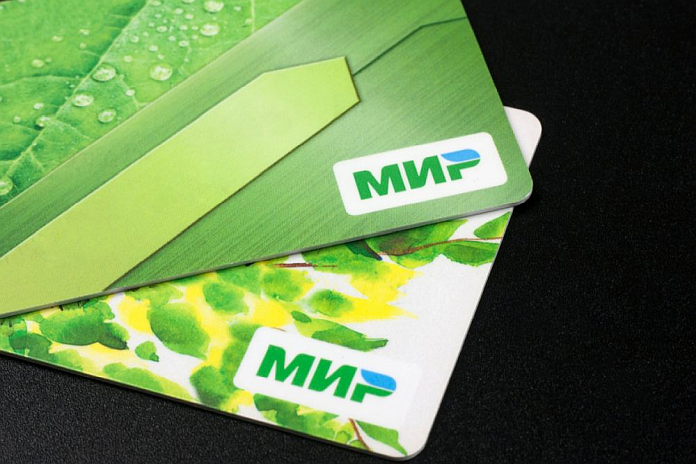
Russia built its own payment system after the sanctions following the invasion of Crimea in 2014. The country launched the National Card Payment System in August 2014. A year later, Russia launched the Mir card, which some government employees and pensioners are required to use, FT reported.
Many would-be card users in Russia are rapidly embracing other options, including China-based UnionPay, FT said. While few major banks in Russia were using UnionPay before the invasion, some of the biggest have expressed interest over the past two months.
A person identified as a “senior payments executive” said adoption of UnionPay cards could increase between a hundredfold and a thousandfold in Russia.
About the Author