



 TRINIDAD / GUYANA – Minister of health Dr Frank Anthony has reported that AIDS-related deaths in the Caribbean declined by more than 60 percent since 2010, marking a major milestone in the region’s public health response.
The minister made the remarks while attending the 10th meeting of the National AIDS Programme, managers and key partners in Trinidad and Tobago, where regional stakeholders are reviewing progress and strengthening coordination in the fight against HIV.
Dr Anthony credited this significant reduction to sustained regional collaboration, improved healthcare delivery, and expanded access to treatment and testing services across members.
“This progress did not happen by accident. It happened because governments invested in treatment. It happened because of our collective work to provide dignity and care…it shows us something important: that when the Caribbean commits to a challenge, it can deliver results,” he stated.
The meeting, which runs from March 17–20, brings together National AIDS Programme managers, chief medical officers, permanent secretaries, and representatives from finance, planning, and community development sectors, reflecting a multi-sectoral approach to addressing HIV in the region.
Despite the progress, Dr Anthony cautioned that the Caribbean continues to record approximately 15,000 new HIV infections annually, with young people remaining among the most vulnerable groups. He highlighted that the Caribbean now has access to stronger tools than ever before, including expanded HIV testing services, improved treatment regimens, and innovative prevention methods.
Among the key government and regional initiatives driving progress are:
- Expansion of HIV testing and treatment services across public health systems, improving early detection and long-term care outcomes;
- Scale-up of antiretroviral therapy (ART) access, contributing significantly to reduced AIDS-related mortality;
- Regional coordination through PANCAP, strengthening policy alignment and technical support among CARICOM states;
- Integration of HIV services into primary healthcare systems, improving accessibility at the community level;
- Targeted prevention programmes for key populations and young people, aimed at reducing new infections;
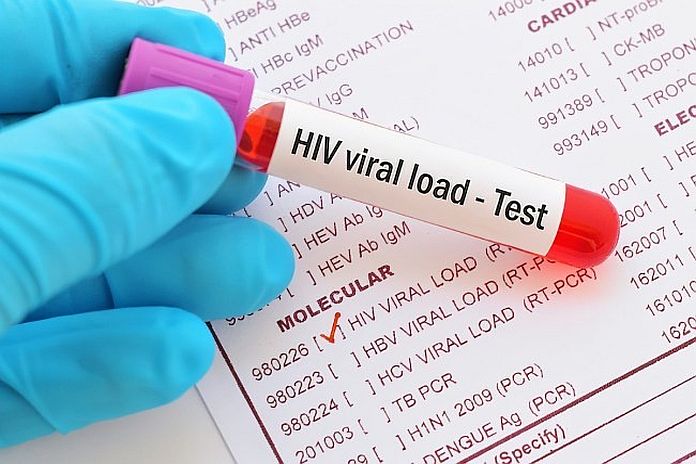
- Specialised laboratory equipment to conduct viral load testing, ensuring patients are effectively monitored.
The minister further called for enhanced regional cooperation to secure affordable medicines and emerging technologies, while maintaining a people-centred approach that prioritises vulnerable populations.
“We have proven that we can deliver results. Now, we must decide, will we manage AIDS, or will we end it?” he said.
Minister Anthony reaffirmed the government’s commitment to working with regional and international partners to accelerate progress toward the goal of ending AIDS in the Caribbean, noting that coordinated action will be critical in achieving long-term success.