

 WASHINGTON, USA – More than 50 adolescents and young adults from across the region participated in a regional meeting organised by the Pan American Health Organization (PAHO) to advance the adaptation of the ANIMA-AA model, designed to strengthen the health system’s response to situations of violence affecting children and adolescents in Latin America.
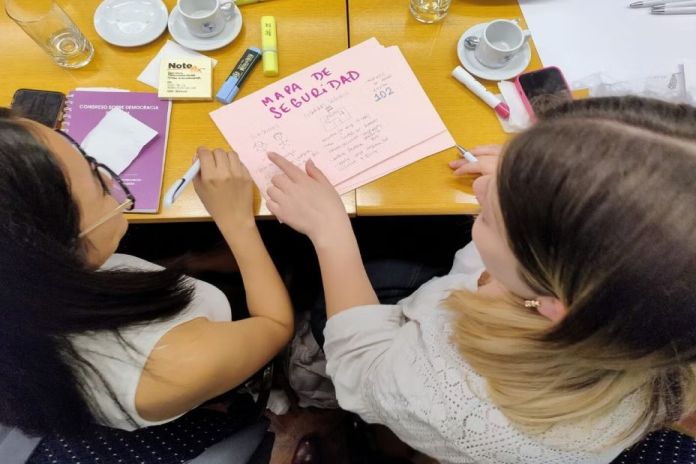
The virtual meeting, which included adolescents and teams from Argentina, Brazil, Bolivia, Chile, Colombia, Ecuador, Guatemala, Honduras, Mexico, Paraguay, and Venezuela, was held as the final stage of the validation process, following national consultation workshops in Argentina, Bolivia, and Honduras. These workshops brought together adolescents, social organisations, and government stakeholders, generating key input that is now being integrated into this regional phase to develop a culturally relevant regional version of the ANIMA-AA information kit.
“Health teams are asking us for clear tools they can apply in their daily work. The regional adaptation of ANIMA-AA, developed in collaboration with young people, will contribute to improving this response at different levels of the health system,” stated Britta Monika Baer, PAHO regional advisor on violence prevention, who also emphasised that the model’s adaptation aims to provide practical, contextualised tools centered on survivors.
PAHO regional advisor on adolescent health, Sonjaa Caffe, highlighted the importance of the participatory process and the role of young people.
“Listening to adolescents, understanding their contexts, and recognizing their barriers to access are essential for ANIMA-AA to truly respond to their needs and experiences. This regional meeting allows us to integrate diverse perspectives to strengthen a model that will be used throughout the region,” she noted.
The contributions from the regional meeting will be incorporated into the final version of the ANIMA-AA information kit for adolescents, which will be made available to health teams throughout the Americas in 2026. This material will offer guidance and key messages to strengthen the health system’s capacity to respond to situations of violence against children and adolescents.
ANIMA-AA Model
The ANIMA-AA model promotes seven essential components of first aid for addressing violence within the health system: attentive listening; non-judgmental and validating; inquiring about needs; improving safety; facilitating support; creating friendly environments; and supporting non-abusive caregivers. The collective review of these elements was central during the virtual meeting, where adolescents and country representatives shared experiences, proposals, and priorities to strengthen safe, empathetic, and accessible environments for those seeking care.
The initiative is supported by the Spanish Agency for International Development Cooperation (AECID), whose assistance has enabled the development of national workshops, regional meetings, and materials that ensure a participatory process. This regional project offers an opportunity to amplify the voices of adolescents and young people regarding violence in all its forms, its impact on health and well-being, and the challenges they face in seeking help. This project is a collaborative effort with the PAHO Youth for Health Group (PYHG), which promotes the participation of adolescents and young people.