

CASTRIES, St Lucia – The Organisation of Eastern Caribbean States (OECS) Commission has signed a Memorandum of Understanding (MOU) with PREPARED International (PPI), a global consultancy specialising in disaster risk management, emergency preparedness, and climate change adaptation.
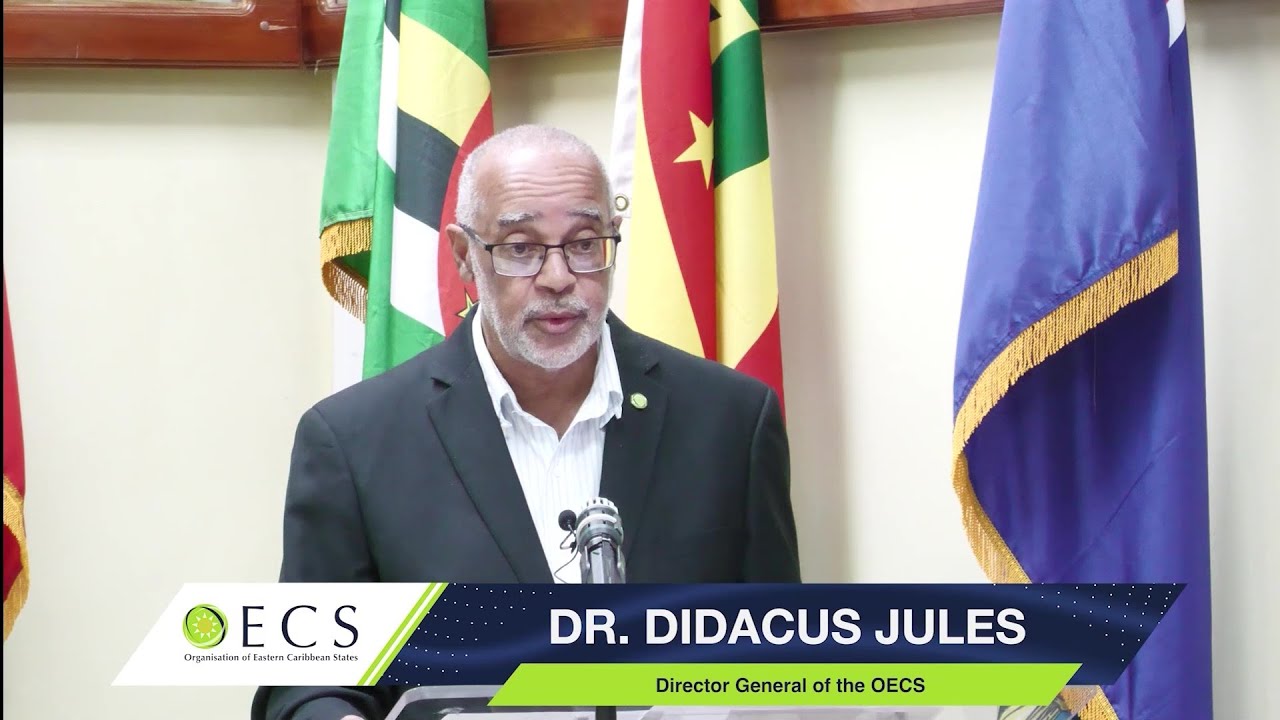
The agreement establishes a strategic framework for collaboration to strengthen multi-hazard preparedness, climate resilience, and risk-informed development across OECS member states. The MOU was signed by OECS director general Dr Didacus Jules and Dr Albrecht Beck, managing director of PREPARED International, signalling a shared commitment to advancing resilience in Small Island Developing States (SIDS).
The partnership comes at a critical time for the Eastern Caribbean, which is facing increasing exposure to climate variability, natural hazards, and external economic shocks. Through this collaboration, the OECS and PPI will work together to design and implement programmes that enhance preparedness, strengthen institutions, and support sustainable development pathways.
This Memorandum of Understanding represents an important step in strengthening the OECS region’s capacity to anticipate, prepare for, and respond to the growing risks posed by climate change and natural hazards. This partnership reinforces the OECS commitment to building resilient systems, protecting vulnerable communities, and advancing sustainable development across member states.
The approach is integrated, data-driven, and community-focused, strengthening preparedness and adaptive capacity.
Key areas of collaboration
Under the MOU, the OECS and PPI will collaborate across several priority areas, including:
- Multi-hazard preparedness and disaster risk reduction, including risk assessments, simulation exercises, and public awareness initiatives;
- Climate resilience and environmental sustainability, with a focus on nature-based solutions and ecosystem-based adaptation;
- Human mobility and protection of vulnerable populations, including evacuation planning and community-based resilience;
- Data, digital, and knowledge systems to support evidence-based decision-making and policy development;
- Capacity development and training, including technical programmes, knowledge exchange, and institutional strengthening;
- Resource mobilisation and strategic partnerships to unlock financing for resilience initiatives.
The partnership also emphasises the importance of data-driven decision-making, inclusive dialogue, and regional coordination as critical enablers of effective policy and programme design.
The OECS and PPI partnership aligns with regional and global frameworks supporting disaster risk reduction, climate resilience, and sustainable development, while reinforcing the OECS Commission’s mandate to drive regional integration, policy harmonisation, and functional cooperation.
It also reflects a growing recognition of the need for whole-of-society approaches to resilience, ensuring that governments, communities, and stakeholders are equipped to respond to increasingly complex and interconnected risks.
The MOU will remain in force for an initial period of two years, with provisions for extension and ongoing collaboration. Both organisations will jointly coordinate activities, monitor progress, and engage in continuous dialogue to ensure effective implementation.
This partnership marks another important step in the OECS Commission’s ongoing efforts to build a more resilient and sustainable region.