


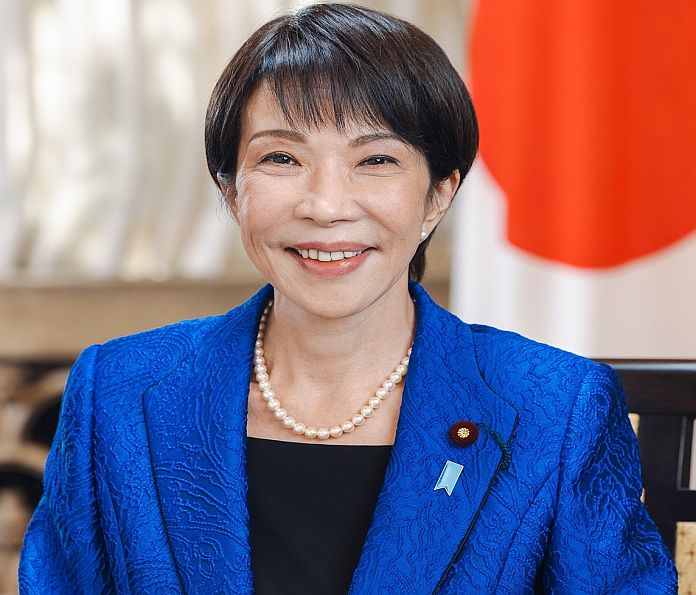
LDP secures a landslide victory: Japan’s governing alliance delivered an unexpectedly decisive win in the 8 February general election, securing 352 seats in the 465-seat lower house. That firmly exceeds the critical two-thirds supermajority threshold, allowing the coalition to overturn any upper house vetoes. Notably, the LDP alone ultimately captured 316 seats, securing a supermajority by itself and freeing it from needing to compromise on major legislative initiatives as it has over the past two years.
More investment and cost-of-living measures are on the cards: The government under the leadership of Sanae Takaichi is likely to boost investment in technology to shore up the country’s shaky industrial base and enable it to better compete with China. Boosting defense spending to counter China’s rise will also be a priority, as will steps to ease the cost of living; since being reelected, Takaichi has reiterated her support for a two-year cut on the food consumption tax. Our panelists expect the fiscal deficit to broaden from 1.5 percent percent of GDP last year to 2.4 percent this year on account of this more expansive fiscal stance.
Yen, debt and bond yields will be constraints: The government’s room to raise spending radically without offsetting austerity measures will be limited by the foreign-exchange and bond markets. If investors grow concerned about the sustainability of the government’s fiscal position, they could sell yen, causing the currency to weaken and driving up inflation—a key bugbear of voters. A loss of investor confidence would also translate into higher bond yields, increasing the cost of servicing a public debt, which is one of the world’s highest as a share of GDP. Since Takaichi took office last November, yields on 10-year bonds have already risen 0.6 percentage points to multi-decade highs. Moreover, our Consensus Forecast for the 2026 end-of-period bond yield has increased 0.4 percentage points over the same period.
Monetary policy to work in opposite direction: Our Consensus is for between one to two 25 basis point rate hikes this year from the Bank of Japan, with the policy rate projected to end 2026 above 1 percent for the first time since the mid-1990s. Rates could be hiked even more quickly if the government’s fiscal policy weakens the yen and proves inflationary.
Insight from our panelists:
On the outlook, EIU analysts said:
“Ms Takaichi’s mission to revive growth has a better chance of success than those of her predecessors, given that Japan’s deflationary mindset appears to have faded and business sentiment continues to hold up well. She will need to pursue the right policy mix to strike a balance between improving growth and assuring financial markets of a responsible and sustainable fiscal path. We believe that she will need to (and probably will) pursue an ”Abenomics-plus” policy that put greater emphasis on pushing growth through technology and productivity, rather than relying solely on the two arrows of monetary and fiscal expansion. Failure to assure financial markets of a credible path for public debt sustainability will undermine the growth outlook.”
Nomura analysts said:
“We think the focus of fiscal policy management will be on PM Takaichi’s responsible and proactive fiscal policy. The stated aim is not stimulating the economy in the near term. Instead, the administration is pledging wise spending based on a longer-term focus on the need for investment in crisis management and growth. This is our main scenario for fiscal policy after the Lower House election. […] On the other hand, there are still some market observers of the view that the Takaichi administration’s fiscal management will revolve around quantitative expansion measures aimed at stimulating the economy in the near term. We therefore still see a risk scenario of short-term expansionary fiscal policy such as cuts to the consumption tax rate.”
Our latest analysis:
- Israel’s economy lost steam in Q4.
- Malaysia’s GDP growth just hit a multi-year high.