

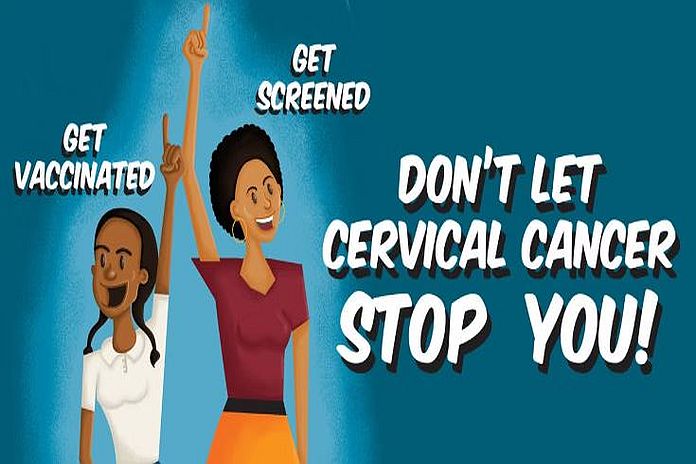
 ST GEORGE’S Grenada, (PAHO) – The Pan American Health Organization (PAHO), working closely with Grenada’s ministry of health, is emphasising the importance of community trust, including faith-based engagement, and clear communication in advancing national efforts to prevent cervical cancer.
These priorities emerged from a recent focus group discussion with community members, held on 19 February 2026, and an in-depth interview with a senior religious leader, conducted as part of ongoing consultations to support the development of Grenada’s Cervical Cancer Elimination Strategy and the introduction of HPV as a primary screening tool in the public sector.
Participants consistently highlighted the need for greater public understanding of Human Papillomavirus (HPV) and its role in cervical cancer. While awareness of the disease is widespread, many community members indicated that limited knowledge of HPV, combined with stigma and misinformation, continues to affect participation in vaccination and screening programmes.
The faith-based consultation reinforced these findings. The religious leader expressed strong support for preventive healthcare, noting the significant burden of cancer-related illness and deaths within communities. He emphasised that when cervical cancer prevention is clearly explained as a life-saving and family-protective intervention, faith communities are more receptive and willing to support such public health initiatives.
A central concern raised during both discussions was confidentiality. Participants noted that real or perceived breaches of privacy, particularly in small communities, can quickly undermine trust in health services. Delays in receiving test results, inconsistent communication between laboratories and health centres, and fears of stigma were also identified as critical barriers that must be addressed before expanding HPV testing services.
The religious leader further stressed the importance of stating clearly the age targeting for HPV screening using appropriate messaging, particularly to avoid concerns about the sexualization of children and adolescents. Clarification that HPV testing is intended for women aged 30 years and older significantly reduced apprehension, underscoring the need for consistent messaging that frames screening and vaccination as cancer prevention measures rather than discussions of sexual activity.
Both community members and the faith leader emphasised that operational readiness will be essential to building and maintaining public confidence. Strengthening laboratory systems, ensuring timely and secure delivery of results, removing financial barriers at the point of service, and offering convenient clinic hours were identified as practical steps to improve access and uptake.
Importantly, the consultation highlighted that faith-based organisations are not opposed to cervical cancer prevention initiatives, but expect early, genuine involvement in programme design. Engaging religious leaders during the planning phase, rather than after decisions are finalised, was seen as key to fostering trust and partnership.
Women’s ministries and other church-based groups were identified as potential allies for education and community mobilisation once systems are well established. The community members also highlighted groups like the Cancer Society, Lions Club and other NGOs and CSOs as vital to disseminating the message and increasing update of services.
PAHO is supporting the ministry of health in using these insights to guide a phased implementation of HPV testing and continued expansion of HPV vaccination, aligned with regional and global goals to eliminate cervical cancer as a public health problem. Vaccination efforts remain focused on girls and boys aged 9–14, with a target of achieving 90 percent coverage by age 15.
“Eliminating cervical cancer requires more than medical interventions, it requires listening to communities, respecting cultural contexts, and building trust,” noted Dr Amalia Del Riego, PAHO/WHO Representative for Barbados and the Eastern Caribbean Countries. “By incorporating community and faith-based perspectives, Grenada is strengthening the foundation for sustainable and inclusive prevention efforts.”
PAHO and the ministry of health will continue stakeholder engagement as Grenada advances toward national implementation of its Cervical Cancer Elimination Programme.