

 GENEVA, Switzerland, (ILO News) – A new working paper from the International Labour Organization (ILO) that examines how artificial intelligence (AI) is being integrated into human resource management (HRM) has found that that many systems are built on unclear objectives, biased or incomplete data, and opaque programming processes. These shortcomings can distort decision-making, reinforce inequalities and expose employers to legal and ethical risks, warn the paper’s authors.
This new analysis from the ILO provides a critical assessment of and highlights structural risks that policymakers and employers should address to ensure decent work outcomes.
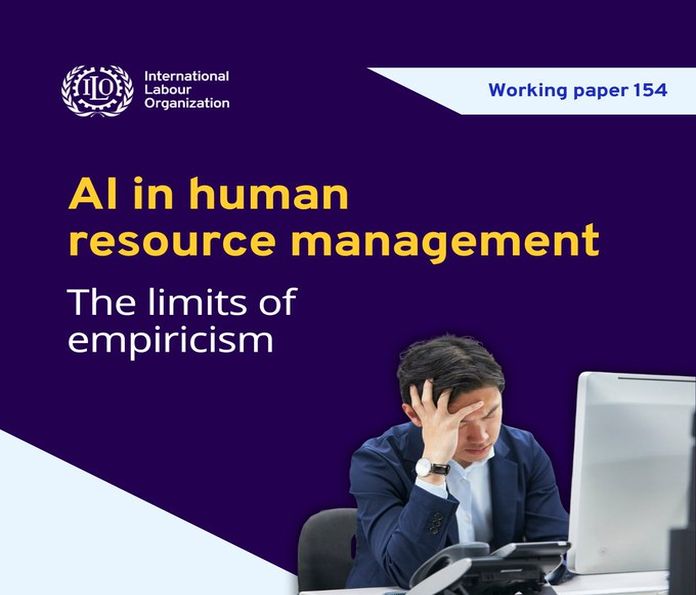
The paper, AI in Human Resource Management: The Limits of Empiricism, traces these challenges to a long-standing tendency within HR to equate quantification with objectivity. As organizations increasingly depend on AI for recruitment, pay-setting, scheduling and performance evaluation, the paper argues that an overreliance on data-driven tools can lead to uncritical adoption of technologies that are poorly suited to managing people, especially when systems are deployed without adequate safeguards or understanding of their limitations.
“Organizations often assume AI will improve efficiency or reduce bias, but these systems depend on the quality of their objectives and data,” said Janine Berg, senior economist in the ILO’s research department. “Without a human-centred approach, AI can inadvertently undermine fairness, transparency and trust in the workplace.”
The publication outlines a practical framework for assessing AI systems in HR and calls for stronger worker participation, clearer governance mechanisms and greater transparency in how these technologies are designed and applied. It also underlines the importance of social dialogue in shaping responsible AI adoption that aligns with the principles of decent work.
The findings contribute to ongoing ILO work on digital transformation, offering evidence-based insights for governments, employers and workers seeking to leverage technology while safeguarding fundamental rights and effective labour practices.