

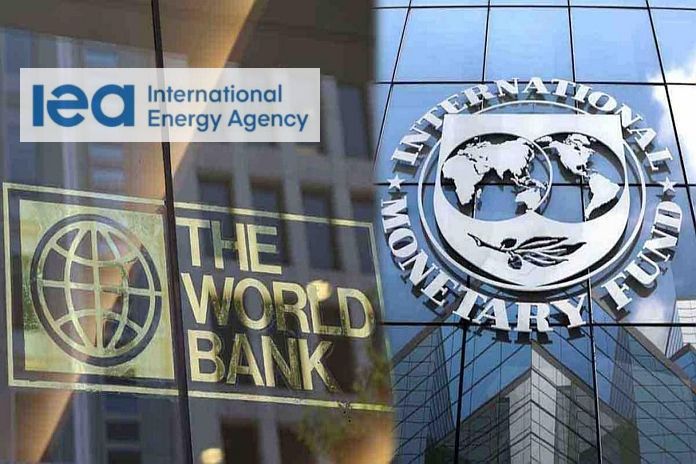
Joint statement by the heads of the International Energy Agency, International Monetary Fund, and World Bank Group.
WASHINGTON, USA – The heads of the International Energy Agency, International Monetary Fund, and World Bank Group have agreed to form a coordination group to maximise their institutions’ response to the energy and economic impacts of the war in the Middle East, issued the following joint statement:
“The Middle East war has caused major disruptions to lives and livelihoods in the region and triggered one of the largest supply shortages in global energy market history. The impact is substantial, global, and highly asymmetric, disproportionately affecting energy importers, in particular low-income countries. It is already transmitted through higher oil, gas and fertiliser prices, and is triggering concerns about food prices as well. Global supply chains, including of helium, phosphate, aluminum, and other commodities are affected, as is tourism due to flight disruptions at key Gulf hubs. The resulting market volatility, weakening of currencies in emerging economies, and concerns about inflation expectations raise the prospect of tighter monetary stances and weaker growth.
“At these times of high uncertainty, it is paramount that our institutions join forces to monitor developments, align analysis, and coordinate support to policymakers to navigate this crisis. This is especially the case for countries that are most exposed to the downstream impacts from the war and those confronting more limited policy space and higher levels of debt.
“To ensure a coordinated response, we have jointly agreed to form a group that will:
- Assess the severity of impacts across countries and regions through coordinated data sharing on energy markets and prices, trade flows, fiscal and balance of payments pressures, inflation trends, export restrictions of key commodities, and supply chain disruptions.
- Coordinate a response mechanism that may include, targeted policy advice, assessment of potential financing needs and related provision of financial support (including through concessional financing), and use of risk mitigation tools as appropriate.
- Mobilize relevant stakeholders, including other multilateral, regional, and bilateral partners, to deliver a coordinated and efficient support to countries in need.
“The group will work with and draw on other international organisations’ expertise as needed.
“We are committed to working together to safeguard global economic and financial stability, strengthen energy security, and support affected countries and people on their path to sustained recovery, growth, and job creation through reforms.”