



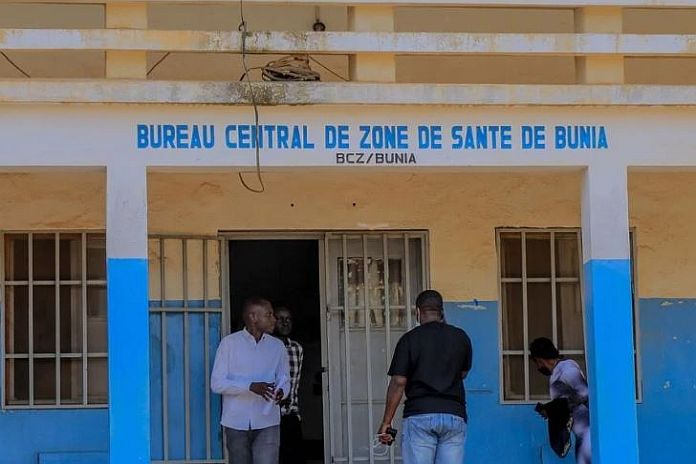
 SWITZERLAND / DRC – As the Democratic Republic of the Congo is battling an Ebola disease outbreak caused by the Bundibugyo virus, the World Health Organization (WHO) has released its first comprehensive guidelines for the clinical management of filovirus disease, which include all types of Ebola and Marburg viruses. The new guidelines highlight the importance of early supportive care to improve patient survival and health outcomes, outlining 16 evidence-based recommendations.
Ebola and Marburg diseases are serious and often fatal, with case fatality rates ranging from 25 to 90 percent in the most severe outbreaks. There have been 72 outbreaks of Ebola and Marburg diseases reported in Africa since 1967, when Marburg virus was first discovered. These outbreaks often have significant socio-economic and psychological impact on communities affected. In the absence of licensed vaccines and treatments for Marburg virus disease, Bundibugyo and Sudan virus diseases, early supportive care significantly improves survival.
“These new guidelines are a perfect example of how WHO leverages science to better protect and care for people during outbreaks and health emergencies,” WHO director-general Dr Tedros Adhanom Ghebreyesus says. “The current Bundibugyo virus outbreak is a stark reminder of the need for diligent, holistic and person-focused medical care, to save lives and preserve human dignity. We encourage governments and authorities to integrate these new recommendations into preparedness and outbreak response, to ensure high-quality care for everyone.”
Developed through global expert consultations and based on the most up-to-date scientific evidence and clinical knowledge, the guidelines translate lessons learned from recent Ebola and Marburg disease outbreaks into practical recommendations for improved patient care. WHO has previously issued several guidelines on clinical care and therapeutics specific to Ebola virus disease.
The new guidelines have been developed primarily to guide health workers when caring for patients, to harmonise clinical approaches, and enable health facility administrators and policy makers to better plan, prepare for and respond to filovirus disease outbreaks through adequate provision of medical supplies, biomedical equipment, laboratory support, and human resources.
The practical recommendations aim to support frontline health workers in identifying clinical deterioration, managing dehydration and shock, improving patient monitoring, delivering critical supportive interventions safely, and providing structured follow-up for patients who recovered from Ebola and Marburg diseases. Some of the key recommendations include:
- Using prioritised clinical laboratory tests to monitor patients with filovirus disease, to identify and manage treatable problems (such as hypoglycaemia, metabolic disruptions);
- Quickly and accurately treating dehydration in patients with filovirus disease using oral and intravenous rehydration;
- Promoting early and precise use of intravenous fluids and vasoactive medications to treat shock in patients with filovirus disease (low blood pressure caused by the infection, which if not properly addressed, leads to organ failure), guided by serial monitoring of vital signs and markers of perfusion;
- Ensuring that if other bacterial infections, including bacterial sepsis, are present in patients with filovirus disease, appropriate treatment with antibiotics is initiated;
- Providing structured after-care to patients who have survived filovirus disease to promote well-being, and to prevent further infections linked to viral persistence in people who recovered from the disease.
For Bundibugyo virus disease, as with other filovirus diseases, early recognition, rapid referral and optimised supportive care remain fundamental components of patient care. Optimised supportive care can reduce complications and provide the foundation on which all other clinical interventions are delivered. It is also a prerequisite for clinical research evaluating antiviral treatments. These clinical guidelines complement existing WHO guidance and operational tools designed to support safe and effective care delivery.