
Photo Credit: UNFPA
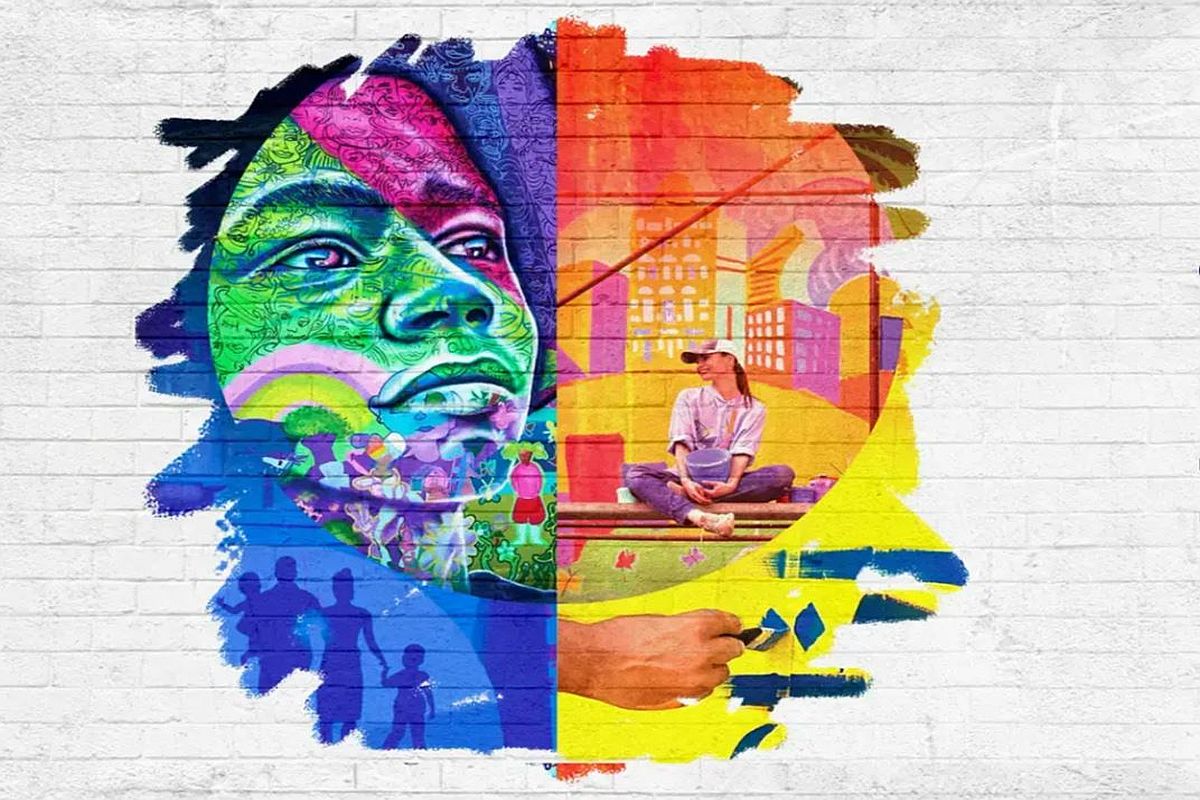
NEW YORK, USA – Young people have never been more educated, connected to information or aware of their rights. Yet for millions, the building blocks of adult life — a decent job, financial independence, a home, relationships, family and a say in their future — are becoming harder to secure.
The 2026 State of World Population report, Succeeding Generations: Empowering young people to chart the future, published today by the United Nations Population Fund (UNFPA), reveals a growing disconnect between the opportunities young people have gained on paper and the realities they face as they enter adulthood.
Many young people are coming of age amid economic insecurity, conflict, climate change, rapidly changing technologies and widening inequality. For some, independence, partnership and parenthood are being pushed later and later. For others, poverty and crisis force adult responsibilities far too soon. In both cases, it is a generation trying to build its future in conditions that too often constrain the choices available to them.
“Young people want independence, stable relationships, and many want children. But too often, economic insecurity, unaffordable housing, conflict and exclusion are putting those aspirations out of reach,” said Diene Keita, executive director of UNFPA. “Our responsibility is to make sure their aspirations become real choices. That means investing in their health, education and economic opportunities. It means protecting their ability to make decisions about their own bodies and lives.”
The report demonstrates how historically high levels of education, unprecedented access to information, and major improvements in global health and human rights cannot guarantee a secure start in adult life, as economic insecurity, inequality and other destabilising factors are stopping young people from shaping their own lives.
Climate change, conflict, the rapid expansion of artificial intelligence, and massive funding cuts to global health and development are all adding to the challenges.
These converging pressures are already shaping some of young people’s most personal decisions. UNFPA’s survey of more than 100,000 young adults across 73 countries and territories recently found that while they still want to find partners and have children, financial insecurity is making these milestones harder to realise: young adults are achieving independence from their parents in their late 20s, settling down in their 30s, and becoming parents as they near their 40.
When confronted by these challenges, young people are taking action: they are organising in their communities, mobilising online, taking legal action and joining public campaigns and protests. Young people consulted for the report were clear about what needs to change: they need better preparation for the future of work; decent opportunities to earn and become independent; protection of their bodily autonomy and reproductive choice; stronger health and social support; and a meaningful role in the decisions that will shape their lives.
The central message of Succeeding Generations is that global partners must do more to create the conditions that make life’s milestones possible. Giving young people the health, security, opportunities and influence to shape their own lives is not only an investment in one generation — it will help determine the societies, economies and families that succeeding generations inherit.
- Access the UNFPA report Succeeding Generations: Empowering young people to chart the future
About the Author