



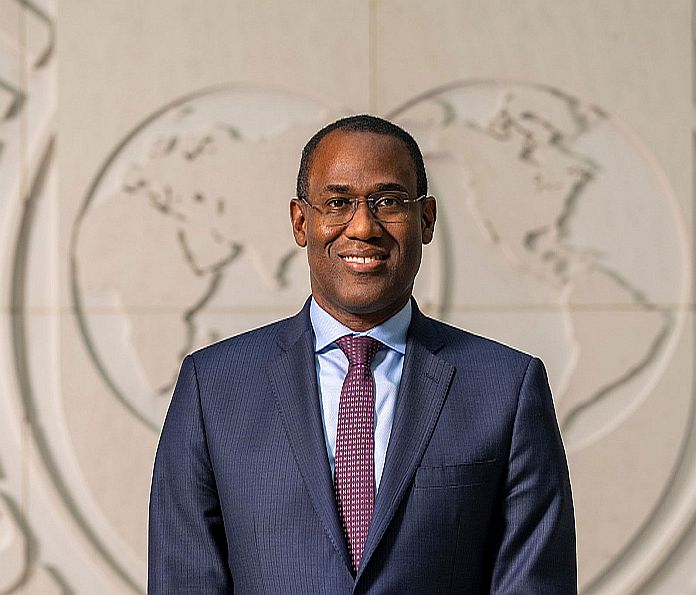
- The IMF executive board approved a new 36-month precautionary Stand-By Arrangement (SBA) for Barbados in the amount of SDR 189 million (equivalent to USD257 million, or 200 percent of quota). The executive board’s decision allows the authorities immediate access to SDR 47 million (equivalent to US$64 million).
- The precautionary SBA will provide critical insurance in the event shocks generate balance of payments needs, while continuing to help anchor macroeconomic stability and support reform implementation under the homegrown Barbados Economic Recovery and Transformation Plan 2026 (BERT 2026).
- Having made significant progress in implementing its first two BERT plans, supported by previous Fund arrangements, Barbados enters the new SBA in a stronger macroeconomic position. The outlook remains stable but subject to significant downside risks, amid high global policy uncertainty, elevated commodity prices, and vulnerability to natural disasters.
WASHINGTON, USA – The executive board of the International Monetary Fund (IMF) has approved a 36-month precautionary Stand-By Arrangement (SBA) for Barbados amounting to SDR 189 million (equivalent to USD257 million, or 200 percent of quota) and concluded the 2026 Article IV Consultation.
The executive board’s decision allows the authorities access to SDR 47 million, equivalent to US$64 million. The Barbadian authorities have indicated that they will treat the SBA as precautionary. The authorities have consented to the publication of the Staff Report prepared for this consultation. The SBA will provide Barbados with insurance, in the event that shocks generate balance of payments needs, while helping preserve macroeconomic stability, and supporting reforms under the BERT 2026 plan.
Key pillars of the SBA include: (i) sustaining strong fiscal accounts, balancing debt sustainability with development needs; (ii) maintaining ample international reserves to support the exchange rate peg; (iii) implementing structural reforms to continue building fiscal policy and institutional credibility and bolster financial stability; and (iv) supporting the authorities’ efforts to boost productivity and competitiveness, and build resilience to natural disasters.
Guided by sound macroeconomic policies, economic activity remained robust in 2025, with growth estimated at 2.7 percent. The labor market remained strong and inflation continued to moderate to an average of 0.9 percent. The current account deficit reached 5.7 percent of GDP, while foreign direct investment strengthened significantly, supporting the balance of payments. Gross international reserves remained at about USD1.5 billion at end-2025 (around 6 months of imports), ample to support the exchange rate peg. Fiscal performance continued to be strong, with a primary surplus of 4.2 percent of GDP in FY2025/26, and high corporate income tax revenues supporting expanded public investment in infrastructure and resilience. Financial soundness indicators continued to improve in 2025. Growth is expected to remain stable in 2026. However, risks to the outlook are tilted firmly to the downside, amid an external environment impacted by geopolitical tensions and global policy uncertainty, and Barbados’ vulnerability to natural disasters.
Following the executive board’s discussion, Nigel Clarke, deputy managing director and acting chair of the board, issued the following statement:
“The authorities’ strong implementation of the homegrown Barbados Economic Recovery and Transformation Plan (BERT) 2022, supported by IMF arrangements, has reinforced macroeconomic stability and facilitated structural reforms. Public debt is on a firm downward path, international reserves have been rebuilt, access to capital markets has been restored, and important structural reforms have been completed to help boost growth and strengthen resilience.
“While the economic outlook remains stable, it is subject to downside risks, amidst an external environment impacted by geopolitical tensions and global policy uncertainty. The new precautionary Stand-By Arrangement will provide Barbados with insurance in a shock-prone external environment, while helping preserve macroeconomic stability and supporting reforms under the next phase of the BERT 2026 plan.
“The authorities are committed to maintaining strong fiscal surpluses to keep debt on a declining path and achieve the public debt target of 60 percent of GDP by FY2035/36. Fiscal reforms aim to further build policy credibility and strengthen policy frameworks and institutions. Efforts to support revenue mobilization and improve public financial management remain priorities. Developing domestic debt markets will also be key to reducing rollover risks and mobilizing domestic savings.
“The exchange rate peg remains a critical anchor for macroeconomic stability, supported by ample international reserves. The financial system is stable and the authorities are pursuing important reforms to bolster resilience, including improvements to banking supervision and further enhancements to the AML/CFT framework.
“Reforms to boost productivity, competitiveness, and resilience will be critical to support economic transformation and deliver more sustainable and inclusive growth. Priorities include tackling infrastructure bottlenecks, improving the business environment, and investing in skills and education. Efforts to boost resilience to natural disasters and facilitate the transition to renewable energy will also strengthen long-term balance of payments stability.”
Executive board assessment
Executive directors agreed with the thrust of the staff appraisal. They welcomed the authorities’ latest Barbados Economic Recovery and Transformation plan focused on economic transformation. Directors agreed that while the outlook remains stable, risks are tilted to the downside, amidst an uncertain external environment and vulnerability to natural disasters. In this context, directors supported the request for a precautionary Stand‑by Arrangement to provide insurance against shocks, help anchor macroeconomic stability and support reform implementation, while stressing the importance of contingency planning and agile policymaking.
Directors welcomed the authorities’ continued commitment to maintain high primary fiscal surpluses to preserve debt sustainability and achieve the 60 percent debt target by FY2035/36. They concurred that additional revenue windfalls should be used to boost resilience through critical capital spending and the further buildup of fiscal buffers. Any additional measures to cushion further shocks should be temporary and targeted to the most vulnerable. Developing domestic debt markets will also reduce rollover risks and mobilise domestic savings.
Directors supported the authorities’ focus on fiscal reforms to continue strengthening policy credibility, policy frameworks, and institutions. They underscored that implementing the new tax exemption framework and deepening revenue administration reforms will be critical to mobilising revenues. Further improvements in public financial management, including improved oversight of state‑owned enterprises, and implementation of the new Public‑Private Partnership framework, will also mitigate fiscal risks and boost public investment efficiency.
Directors concurred that international reserves remain ample to support the exchange rate peg, which continues to be a critical anchor for macroeconomic stability. They agreed that the authorities should consider removing the foreign exchange fee to reduce market distortions. Directors also encouraged the authorities to continue their long‑term efforts to strengthen monetary policy operations.
Directors noted that the financial system remains stable. They welcomed the authorities’ focus on reforms to further bolster resilience, including efforts to strengthen banking supervision, develop a resolution framework for financial institutions, operationalise the new deposit insurance scheme, and continue strengthening the AML/CFT framework.
Directors agreed that further structural reforms will be required to boost potential growth over the medium term. Priorities include tackling infrastructure bottlenecks, improving the business environment, and closing skills gaps. They commended the authorities’ commitment to build resilience to external shocks and natural disasters and to facilitate the transition to renewable energy.
It is expected that the next Article IV consultation with Barbados will be held in accordance with the executive board decision on consultation cycles for members with Fund arrangements.