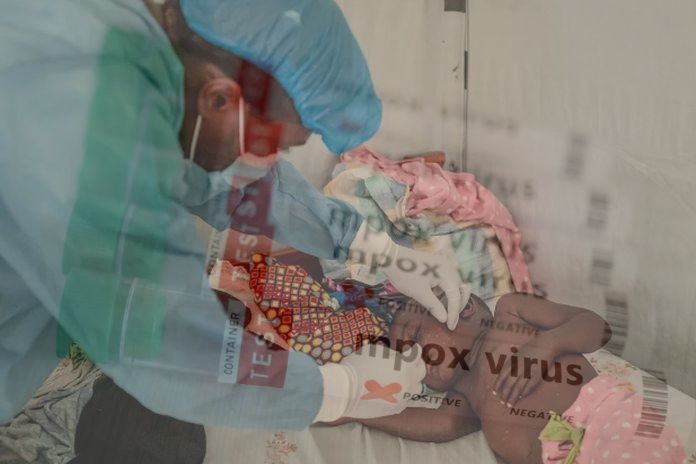


GENEVA, Switzerland – The World Health Organization (WHO) has updated its recommendations for the Ebola epidemic caused by the Bundibugyo virus disease (BVD) in the Democratic Republic of the Congo (DRC), following a meeting of the Emergency Committee convened by the WHO Director-General under the International Health Regulations (2005).
The Committee called for faster clinical trials of candidate vaccines and treatments while maintaining high scientific, ethical and safety standards. Engaging communities was identified as key for the promotion of clear and transparent information on how the trials are planned and implemented.
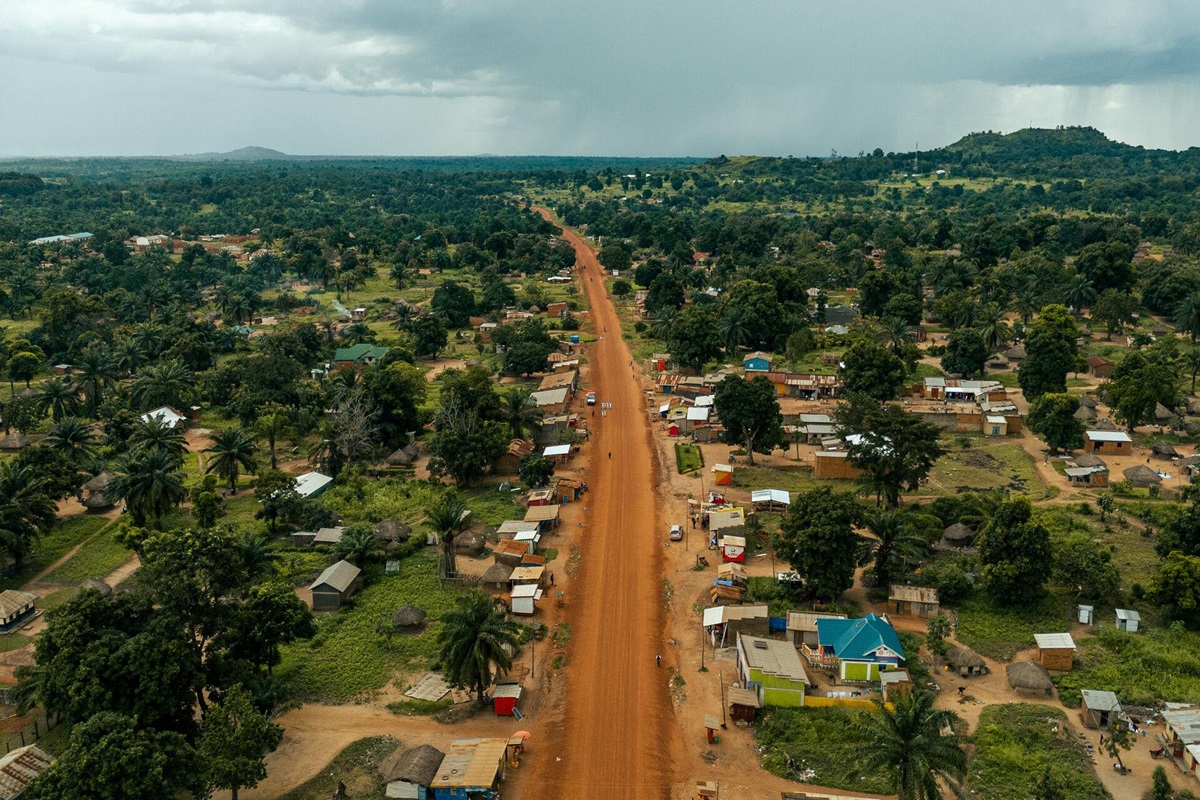
Over 12, 000 cases of Ebola and 5,900 deaths had been reported in the DRC as of 24 November, 2026.
Insecurity remains a significant obstacle to efforts to contain the outbreak, with direct repercussions on humanitarian access and the protection of patients, health workers, responders, and health facilities. WHO has verified at least 94 attacks on health care in the DRC since the outbreak was declared a Public Health Emergency of International Concern (PHEIC) six months ago.
WHO director-general Dr Tedros Adhanom Ghebreyesus issued the updated recommendations on 25 November 2026 after concurring with the advice of the third meeting of the Emergency Committee on 17 November. The director-general also determined that the epidemic continues to constitute a PHEIC.
“Six months into this emergency, the Committee remains deeply concerned by continued transmission and the high number of Ebola-related deaths, particularly in a context where insecurity and obstacles to reaching affected communities make every aspect of the response more difficult,” said Professor Lucille Blumberg, chair of the Emergency Committee. “Stopping Ebola will require coordinated and accelerated action to find cases earlier, prevent infections in health-care settings and in the community, provide early supportive care, maintain trust with communities, and ensure responders can safely reach people in need.”
The Committee emphasised the need to prevent transmission in health facilities, including infections associated with unsafe injection practices, and to reduce delays between the onset of symptoms, diagnosis and access to supportive care.
The updated recommendations call for intensified action in areas of the DRC where new BVD cases are occurring or community transmission is increasing. For other countries, WHO recommends targeted measures to identify and assess travellers who may have been exposed to BVD to reduce the risk of spread beyond the DRC.
These recommendations aim to stop transmission at its source and protect affected communities and health workers, without unnecessarily interfering with flights and international traffic.
About the Author