



 GENEVA, Switzerland – Ahead of World Malaria Day on 25 April, the World Health Organization (WHO) has announced a significant step forward in the fight against malaria with the prequalification of the first treatment developed specifically for newborns and young infants weighing between two and five kilograms. The prequalification designation indicates that the medicine meets international standards of quality, safety and efficacy, and will help to expand access to quality-assured treatment for one of the most underserved patient groups.
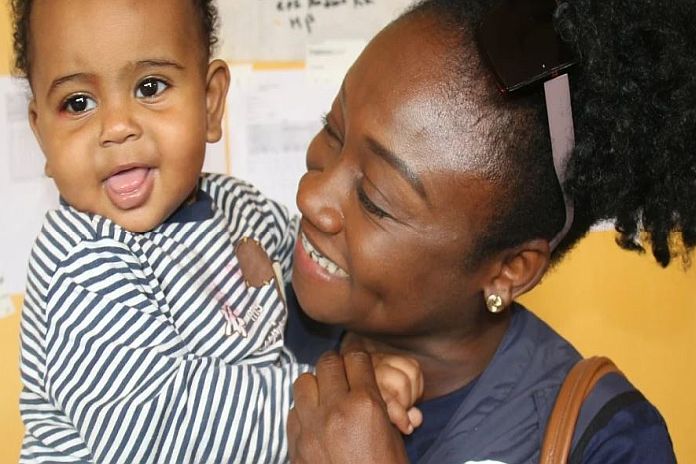
The newly prequalified treatment, artemether-lumefantrine, is the first antimalarial formulation designed specifically for the youngest malaria patients. Until now, infants with malaria have been treated with formulations intended for older children, which increase the risk of dosing errors, side effects and toxicity. WHO prequalification will enable public sector procurement, contributing to closing a long-standing treatment gap for some 30 million babies born each year in malaria-endemic areas of Africa.
“For centuries, malaria has stolen children from their parents, and health, wealth and hope from communities,” said Dr Tedros Adhanom Ghebreyesus, WHO director-general. “But today, the story is changing. New vaccines, diagnostic tests, next-generation mosquito nets and effective medicines, including those adapted for the youngest, are helping to turn the tide. Ending malaria in our lifetime is no longer a dream – it is a real possibility, but only with sustained political and financial commitment. Now we can. Now we must.”
New prequalified tests
On 14 April 2026, WHO also prequalified three new rapid diagnostic tests (RDTs) designed to address emerging diagnostic challenges for malaria. The most common malaria RDTs for P.falciparum parasite work by detecting the protein, known as HRP2. But based on reported studies and surveys in 46 countries, some strains of the malaria parasite have lost the gene that makes this protein – so they become “invisible” to HRP2-based RDTs, leading to false-negative results. In countries in the Horn of Africa, up to 80% of cases were missed, leading to delayed treatment, severe illness, and even death.
The new tests address this issue by targeting a different parasite protein (pf-LDH) that the malaria parasite cannot easily shed. They provide a reliable, quality-assured alternative where HRP2-based tests are failing. WHO now recommends that countries switch to these alternative RDTs when more than 5 percent of cases are missed due to pf-hrp2 deletions. This ensures accurate diagnosis, appropriate treatment, and protects hard-won malaria control gains – especially for the most vulnerable communities.
The announcements come as WHO and partners launch the 2026 World Malaria Day campaign, “Driven to End Malaria: Now We Can. Now We Must.” The theme is a rallying cry to seize the moment – to protect lives now and fund a malaria-free future.
According to the World malaria report 2025, there were an estimated 282 million cases and 610 000 deaths in 2024 – an increase from 2023. While 47 countries have been certified malaria-free and 37 countries reported fewer than 1000 cases in 2024, progress at the global level is stalling. Gains are at risk due to multiple challenges, including drug resistance, insecticide resistance, diagnostic failure, and severe reductions in international development assistance.
Despite these challenges, substantial progress has been made, with an estimated 2.3 billion malaria infections prevented and 14 million lives saved worldwide since 2000.
Twenty-five countries are now rolling out malaria vaccines, protecting millions of children, and next-generation mosquito nets make up 84 percent of all new nets distributed. These advances demonstrate what is possible when all partners work together to innovate and deliver on the promises towards ending malaria for all.